Inquiry:

flora@nvchemical.com
+86-17191109819
Product name: Hydroxy vinyl silicone fluid
Alias: Silanol Terminated methyl vinyl silicone fluid
Product code: NV-SIOH204
Chemical Informations:
Main Composition:Siloxanes and Silicones, di-Me, Me vinyl, hydroxy-terminated (Hydroxy-terminated polydimethylvinylsiloxane)
Molecular Structure:HO-[Si(CH3)2-O]-[Si(CH3)(CH=CH2)-O]-H
Cas No.:67923-19-7
Chemical Character: NV-SIOH204 is a low-viscosity, reactive silicone fluid featuring both terminal hydroxyl groups (silanol) and vinyl functional groups along the polydimethylsiloxane (PDMS) backbone. .
Product Description:
NV-SIOH204 is a low-viscosity, hydroxyl-terminated methyl vinyl silicone fluid containing reactive silanol groups at both molecular chain ends and controlled vinyl functionality along the polysiloxane backbone.
The terminal silanol groups provide strong interaction with inorganic fillers, especially precipitated silica and fumed silica, improving filler dispersion and reducing silica-induced structure build-up ("crepe hardening") during silicone rubber processing.
The vinyl groups provide additional reactive sites for platinum-catalyzed hydrosilylation reactions, allowing NV-SIOH204 to participate in silicone network formation and modify crosslink density, mechanical properties, and processing characteristics.
Due to its dual-functional molecular structure, NV-SIOH204 is suitable as a multifunctional additive for HTV silicone rubber, liquid silicone rubber (LSR), silicone sealants, and silicone-modified polymer systems.
Typical properties:
Appearance:Colorless transparent liquid
Viscosity (25℃, mm²/s): 30-40
Hydroxyl Content (wt%)≥5.5%
Vinyl Content (wt%):6.0-7.0%
Water Content (wt%)≤0.5%
Key Benefits & Features
Excellent Structure Control Effect
The silanol groups interact with hydroxyl groups on silica surfaces, reducing filler-filler interaction and minimizing storage hardening of silicone compounds.
Benefits:
Improved compound processability
Reduced mixing torque
Better filler dispersion
Extended storage stability
Dual Functional Reactivity
NV-SIOH204 combines:
Silanol groups (-SiOH) for filler interaction and condensation reactions
Vinyl groups (-CH=CH₂) for addition-cure silicone networks
This enables simultaneous improvement of processing performance and cured material properties.
Low Viscosity and Easy Incorporation
With low viscosity, NV-SIOH204 provides:
Fast wetting of fillers;
Easy blending into silicone compounds;
Reduced processing energy requirements
Reactive Modification Capability
Unlike conventional silicone oils, NV-SIOH204 can chemically participate in silicone network formation, reducing migration and improving compatibility compared with non-reactive silicone plasticizers.
Recommended Applications
HTV Silicone Rubber Structure Control Agent
NV-SIOH204 is recommended as a multifunctional additive for high consistency silicone rubber compounds.
Functions include:
Improves silica dispersion;
Reduces crepe hardening during storage;
Enhances processing stability;
Adjusts cured rubber network characteristics.
Typical dosage: 2–8 phr depending on silica loading and compound formulation.
Liquid Silicone Rubber (LSR) Modifier
In addition-cure LSR systems, NV-SIOH204 can function as:
Reactive viscosity modifier;
Filler compatibility enhancer;
Network structure regulator;
Advantages include:
Improved filler wetting;
Reduced compound viscosity;
Better balance of hardness and elasticity.
Liquid Silicone Rubber (LSR) Modifier
In addition-cure LSR systems, NV-SIOH204 can function as:
Reactive viscosity modifier;
Filler compatibility enhancer;
Network structure regulator.
Advantages include:
Improved filler wetting;
Reduced compound viscosity;
Better balance of hardness and elasticity .
Filler Treatment and Silicone Resin Modification
NV-SIOH204 can improve the compatibility between silicone polymers and inorganic materials such as:silica ,mineral fillers ,glass fibers ,ceramic fillers.
It can also be used as a reactive intermediate for silicone-modified resin systems.
Processing Recommendations
NV-SIOH204 can be added during silicone compound mixing together with base polymer and fillers.
Recommended sequence:
1.Add silicone polymer
2.Add silica filler
3.Add NV-SIOH204
4.Mix until uniform dispersion is achieved
Compatible with:
Hydroxy silicone oils
Vinyl silicone oils
Silicone gums
LSR base polymers
Packaging
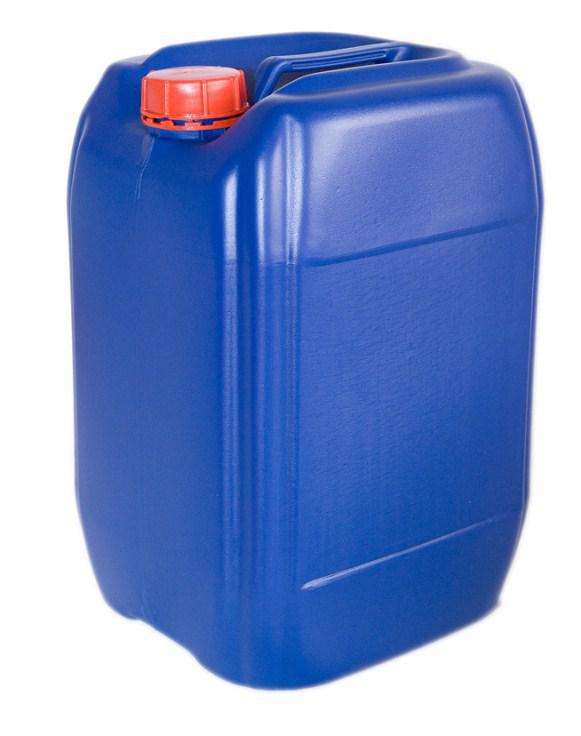
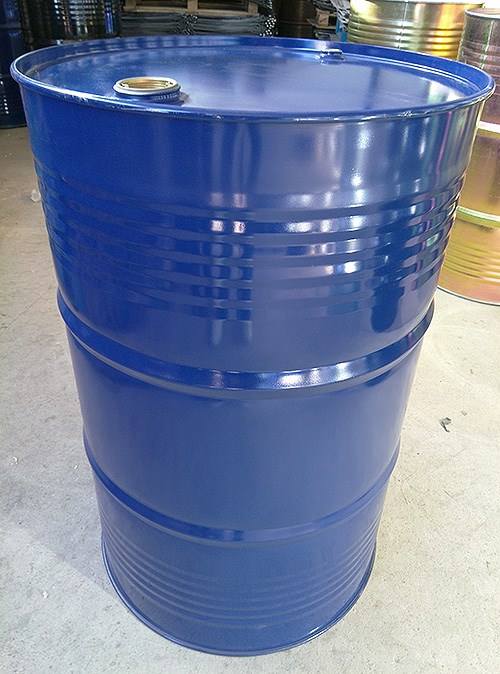
25 kg Plastic pails;200 kg Iron or plastic drum; 1000 kg IBC Totes
Contact: Flora
Phone: +86-17191109819
Tel: +86-17191109819
Email: flora@nvchemical.com
Whatsapp: +86-17191109819
Add: 36# YONGSHUI QIAO ROAD,NINGBO,ZHEJIANG,CHINA
 Flora
Flora +86-17191109819